



Why You Shut Down Emotionally During Conflict

Emotional shutdown is more common than many people realize. For some people, conflict triggers a stress response that causes them to emotionally withdraw, freeze, or disconnect.
Social Media Comparison and Its Hidden Emotional Toll

Discover how social media comparison affects mental health, triggers anxiety and low self-esteem, and learn practical strategies to protect your emotional well-being.
Coping Skills You Can Use at Work

Work can be rewarding, but it can also be one of the biggest sources of daily stress. Deadlines, difficult conversations, heavy workloads, and constant notifications can leave you feeling overwhelmed and mentally drained. The good news is that coping skills don’t have to be complicated or time-consuming. Many effective strategies can be used quietly at your desk, in meetings, or during short breaks.
How to Build a Coping Toolbox for Hard Days
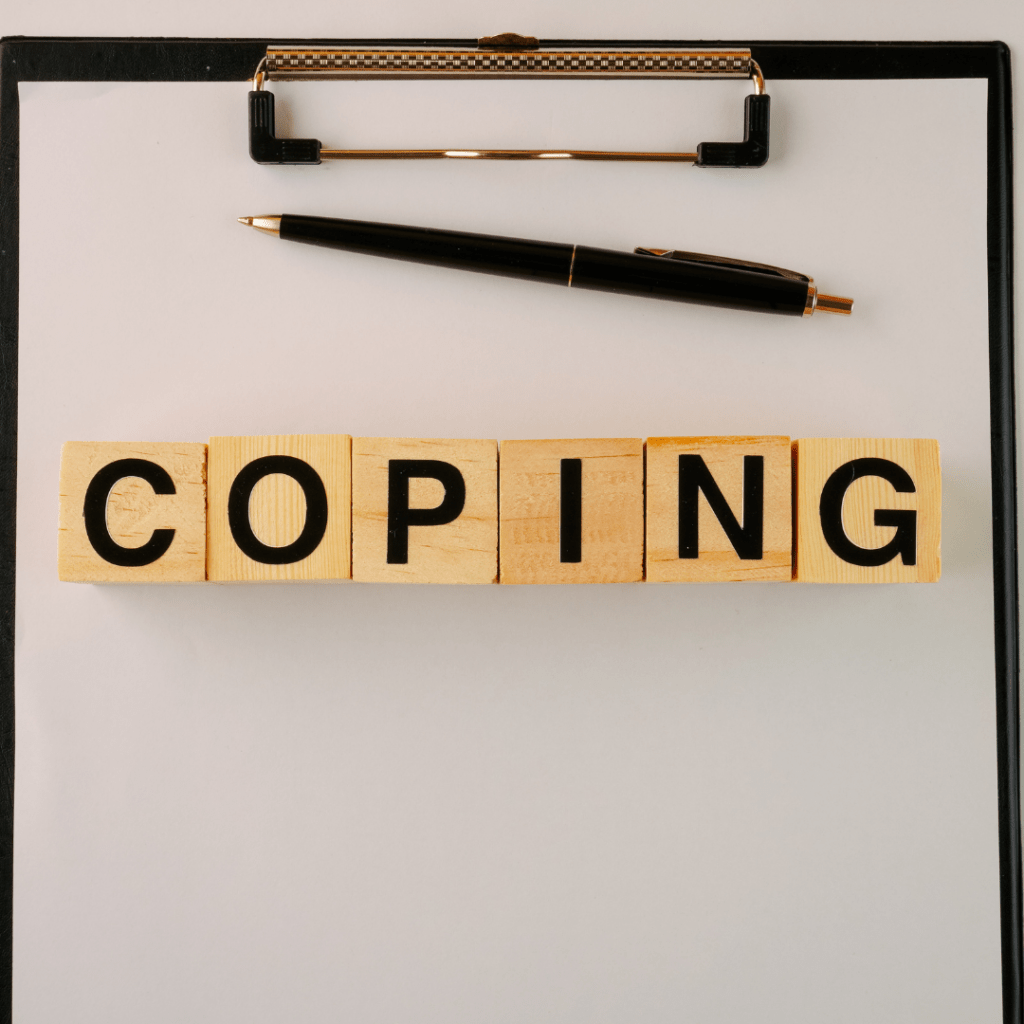
Hard days are part of being human — but feeling stuck in them doesn’t have to be. A coping toolbox is a personalized set of items, skills, and reminders that help you calm your mind and regulate your emotions when life feels overwhelming. Think of it as emotional first-aid you prepare before you need it.
How to Let Go of Perfectionism and Embrace “Good Enough”
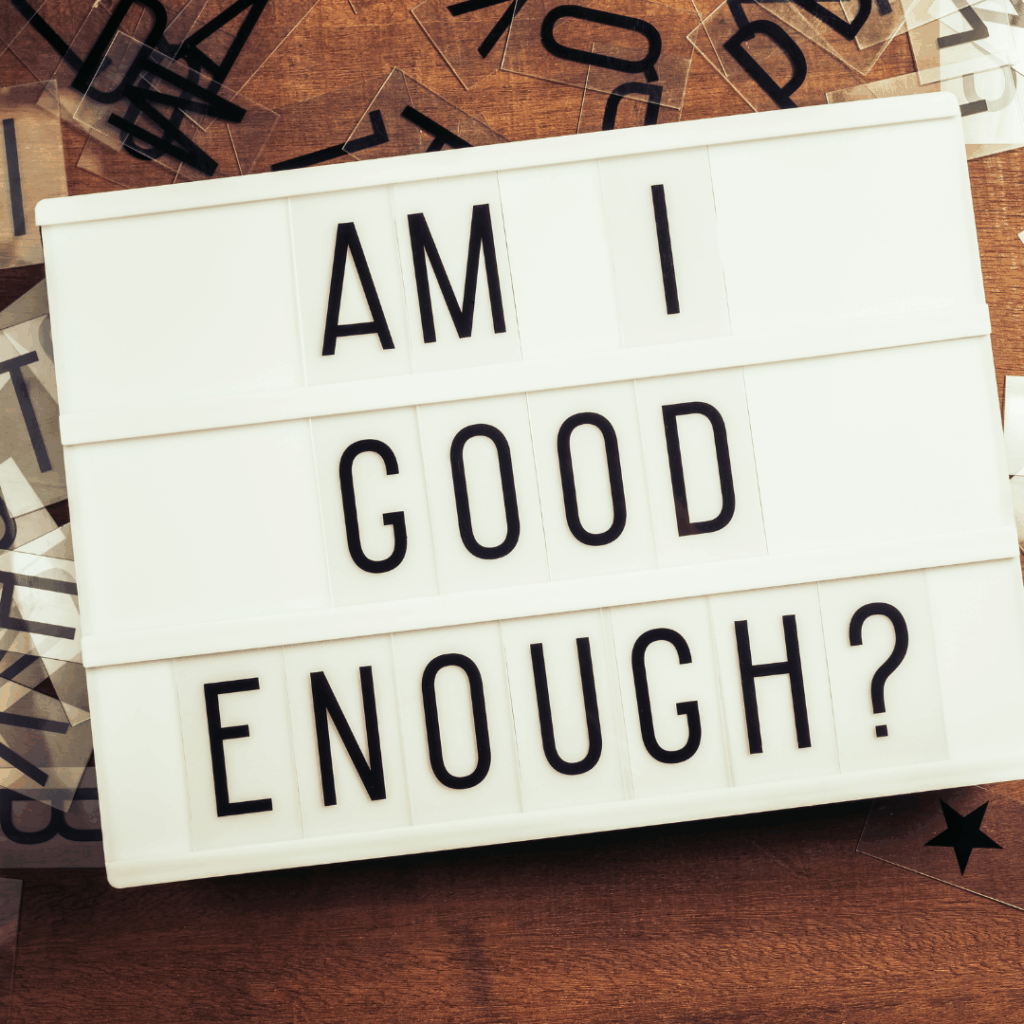
Do you ever feel like no matter how hard you try, it’s never quite enough? Perfectionism can look like high standards, motivation, or ambition — but underneath, it often hides fear. Fear of failure, judgment, or not being worthy unless things are flawless. Learning to embrace “good enough” doesn’t mean you’re lowering your standards; it means you’re letting go of unrealistic expectations that harm your mental health.
The Difference Between Stress, Burnout and Compassion Fatigue
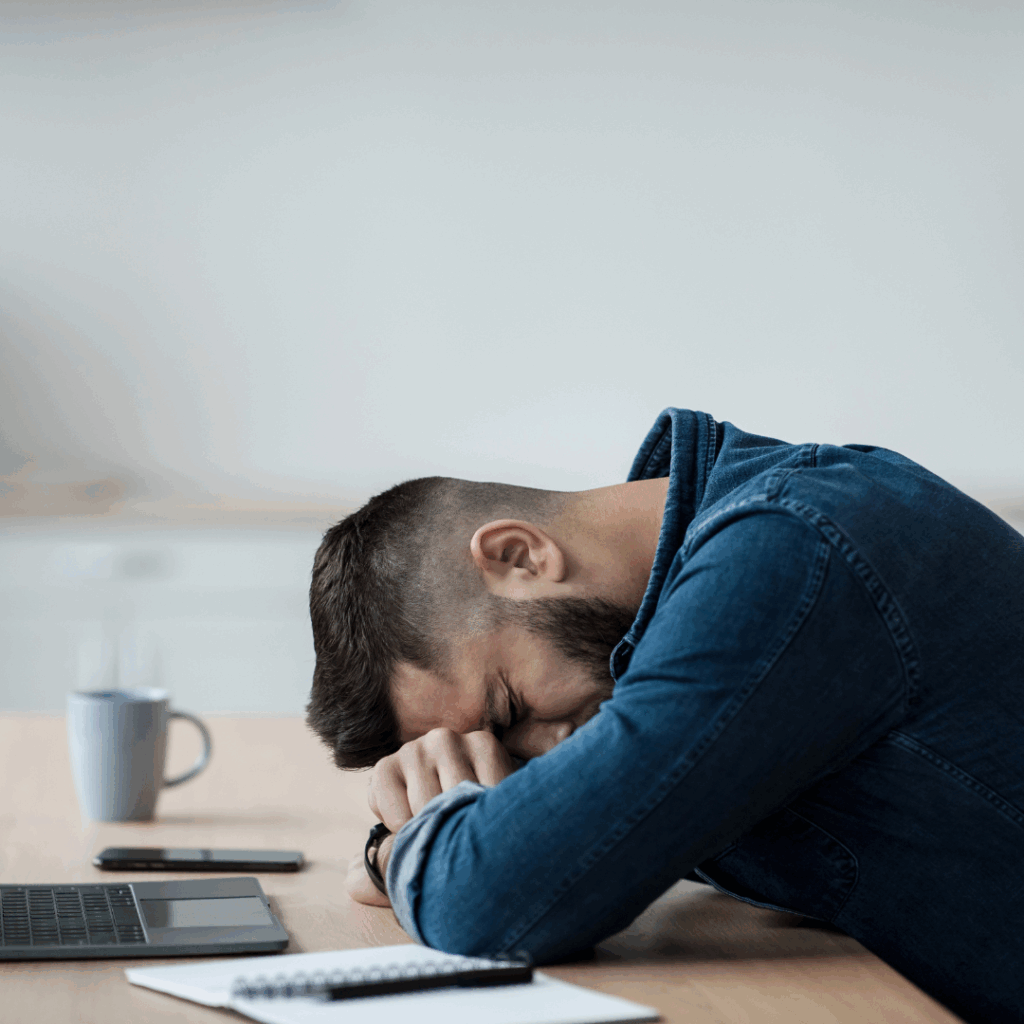
Most of us use the words stress and burnout interchangeably, and “compassion fatigue” often gets lumped in as well. But while they share some similarities, each has unique signs, causes, and solutions. Understanding the difference can help you recognize what you’re experiencing—and take steps toward feeling better.