



Is Online Therapy as Effective as In-Person Therapy?

Is online therapy as effective as in-person therapy? Learn about the benefits of virtual therapy and how to decide which option is right for you.
How to Build Confidence One Small Step at a Time
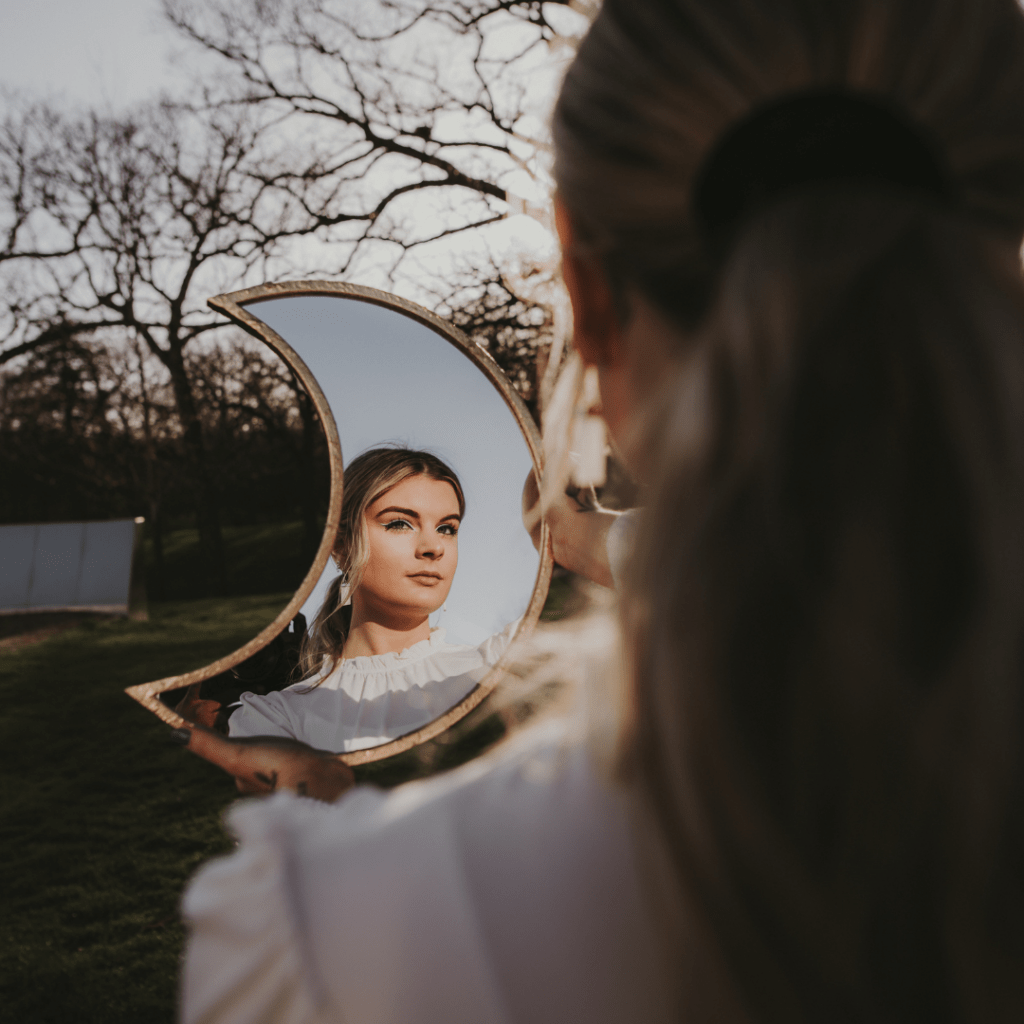
Confidence can seem like something you’re either born with or you’re not. However, that’s simply not true. Confidence isn’t a personality trait—it’s a skill that can be developed over time.
If you’ve ever wondered how to build confidence, the good news is that you don’t need to make dramatic changes. Instead, confidence grows through small, consistent actions that help you trust yourself. Every step forward, no matter how small, helps create lasting self-belief.
Small Daily Habits That Improve Self-Worth

Many people struggle with self-worth and spend years looking for confidence in achievements, relationships, or external validation. The truth is that healthy self-worth is built through small, consistent actions that reinforce a simple message: you matter. If you’re looking to improve your self-esteem and develop a healthier relationship with yourself, these daily habits can help.
Why You Shut Down Emotionally During Conflict

Emotional shutdown is more common than many people realize. For some people, conflict triggers a stress response that causes them to emotionally withdraw, freeze, or disconnect.
Coping Skills You Can Use at Work

Work can be rewarding, but it can also be one of the biggest sources of daily stress. Deadlines, difficult conversations, heavy workloads, and constant notifications can leave you feeling overwhelmed and mentally drained. The good news is that coping skills don’t have to be complicated or time-consuming. Many effective strategies can be used quietly at your desk, in meetings, or during short breaks.
Why Spring Can Feel Overwhelming

Spring is often described as a season of renewal. Longer days, warmer weather, and the promise of fresh starts are everywhere—on social media, in conversations, and even in our own expectations.
But for many people, spring doesn’t feel refreshing at all. Instead, it can feel heavy, pressuring, or emotionally overwhelming. If you find yourself feeling behind, anxious, or disconnected as the seasons change, you’re not alone—and there’s nothing wrong with you.